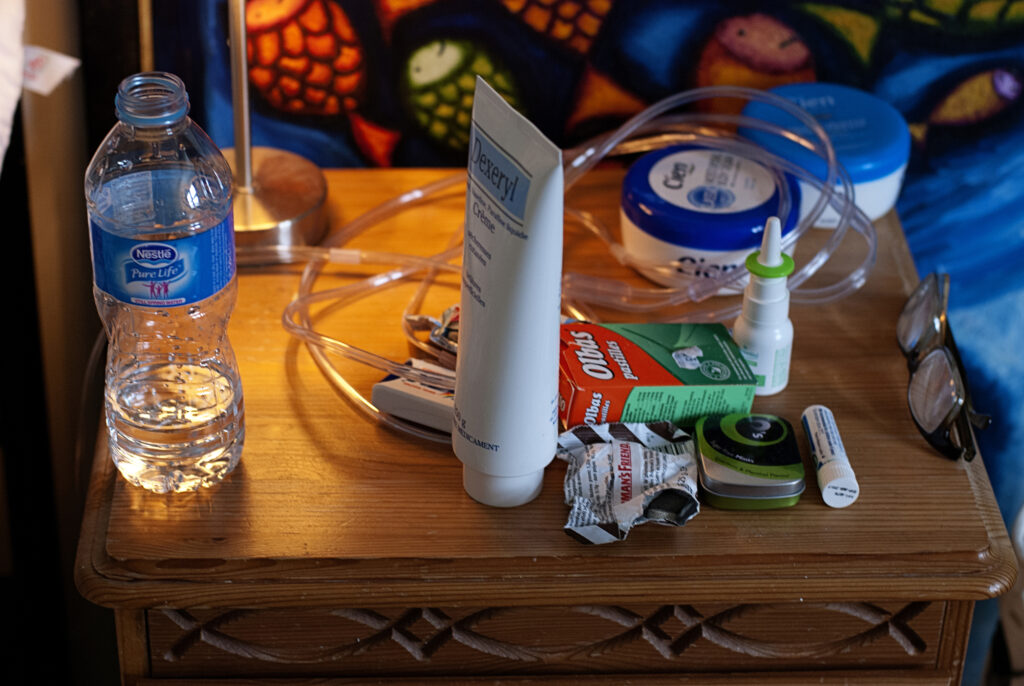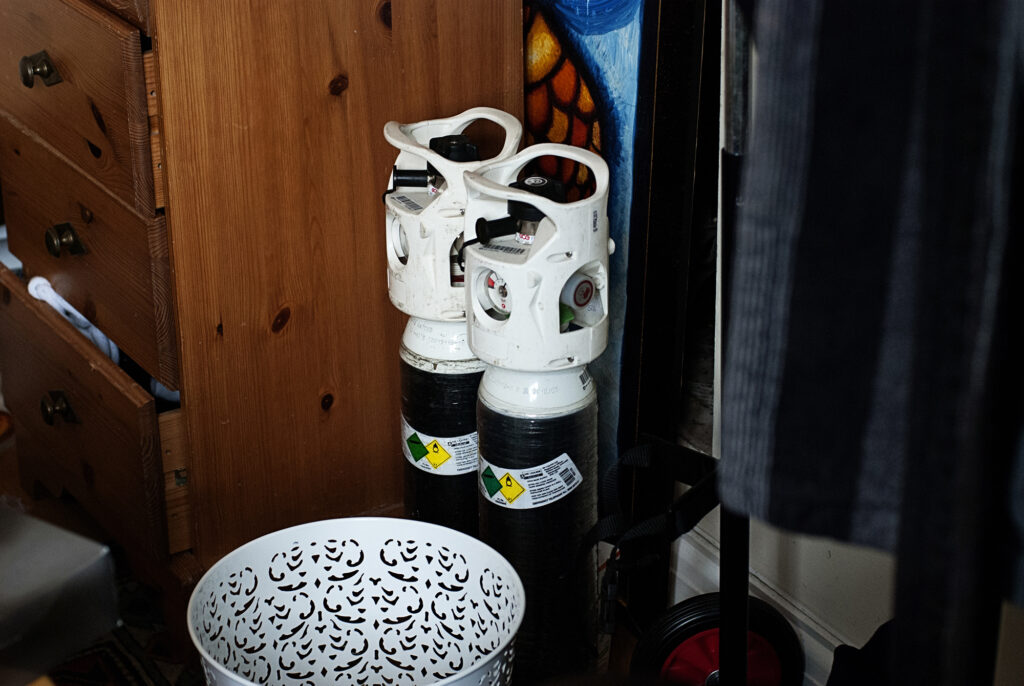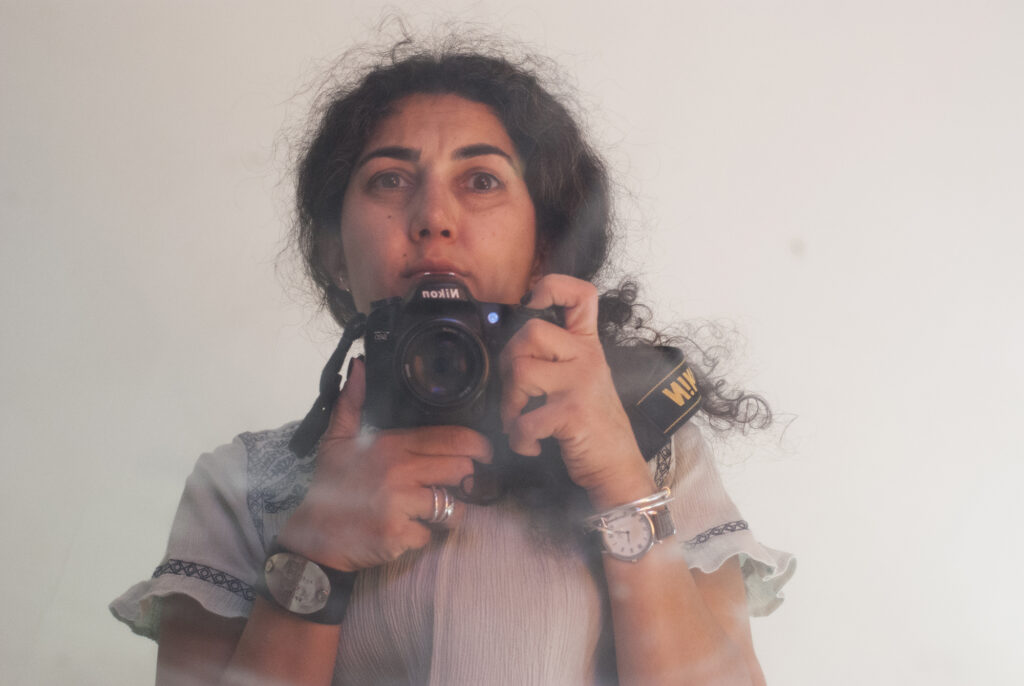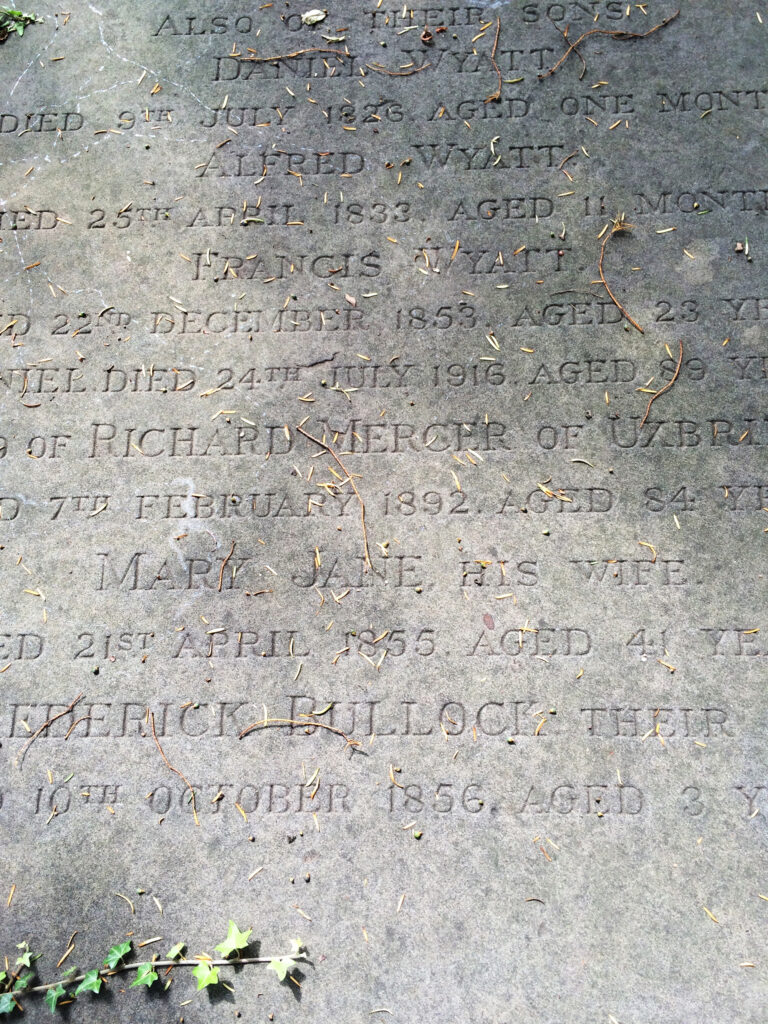
It has been ten years since my father passed away. In the immediate aftermath of his death, I photographed what I saw and what I felt. The images were instinctive and necessary. For years, I could not sit with this body of work long enough to assess it objectively. It felt too close, and it is still does.
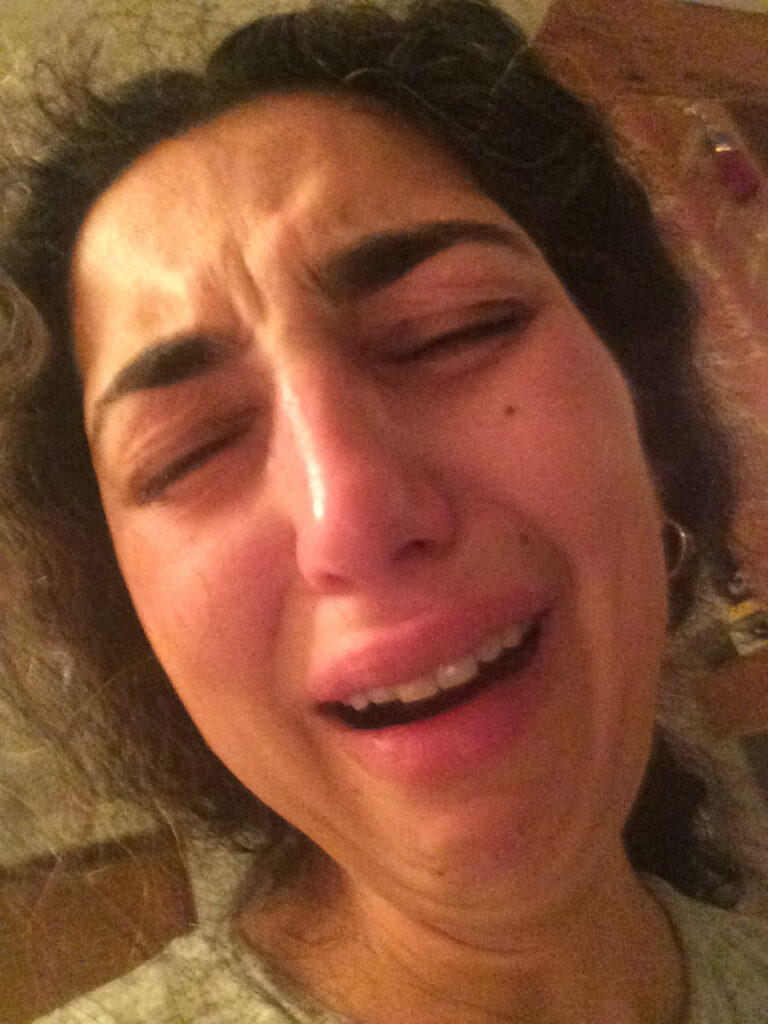
I do not believe that time heals the loss of a human being. Time does alter the texture of grief, it creates a little distance. Grief, for me, is corporeal. It lives in the body. It is cellular, lodged deep within muscle and memory.
The year he died, we had planned to gather in Armenia as a family. At the last minute, my father could not travel due to complications from idiopathic pulmonary fibrosis. My children and I were already en route when we learned he would not join us. My mother came instead. I do not remember that summer as joyful. In hindsight, knowing he was only weeks away from leaving this world, I would have gone directly to England to sit beside him. But hindsight sharpens what hope softens. Hope makes us believe there will be more time.
Each morning, my father would Skype and ask for his “Tamarig”, his nearly 45-year-old daughter, still held in his voice as the baby he once carried. He was generous beyond measure, with money, with affection, with presence. Even weeks before his death, there is a photograph of him smiling widely at lunch with my brother, his zest for life still intact.
By what feels like divine intervention, our return flight from Armenia was delayed and rerouted through London. We stayed for two nights. We visited him. He was unwell, reliant on oxygen to sleep. And still, hope shielded us, “it’s just a cold,” we thought. My mother and I went shopping as we always did. I bought silver shoes. When we returned, my father looked at me and said, “Your feet look good in those.” I still own the shoes. They have become a relic holding his voice.
While waiting for our flight back to Vancouver, I began bleeding heavily. I now understand I was likely entering perimenopause, though at the time I did not know. A woman quietly told me my dress was stained. Looking back, I feel that my body was releasing the tears I could not yet shed. Grief was already moving through me, before I allowed myself to name it.
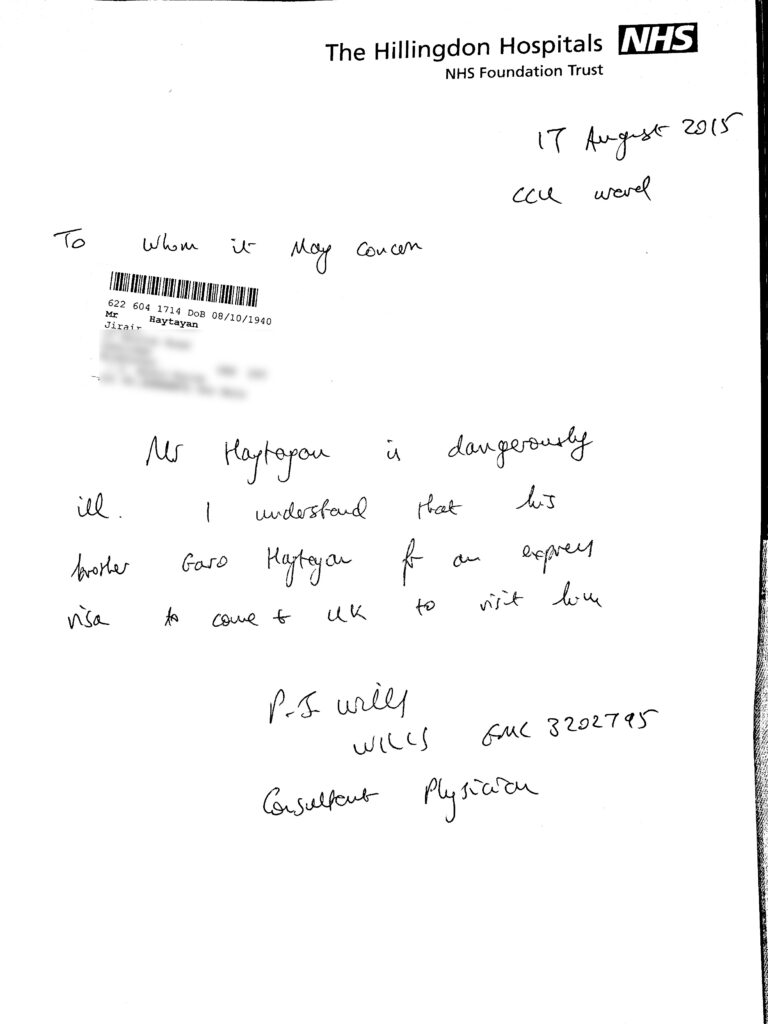
Shortly after we returned to Vancouver, my father was hospitalized with pneumonia. With pulmonary fibrosis, pneumonia often marks the end. He remained in hospital for nearly two weeks. I am grateful for that time. He drifted in and out of lucidity, speaking of sitting by the sea, returning home, eating hummus with fresh pita. His mind was alive with longing; his body was surrendering.
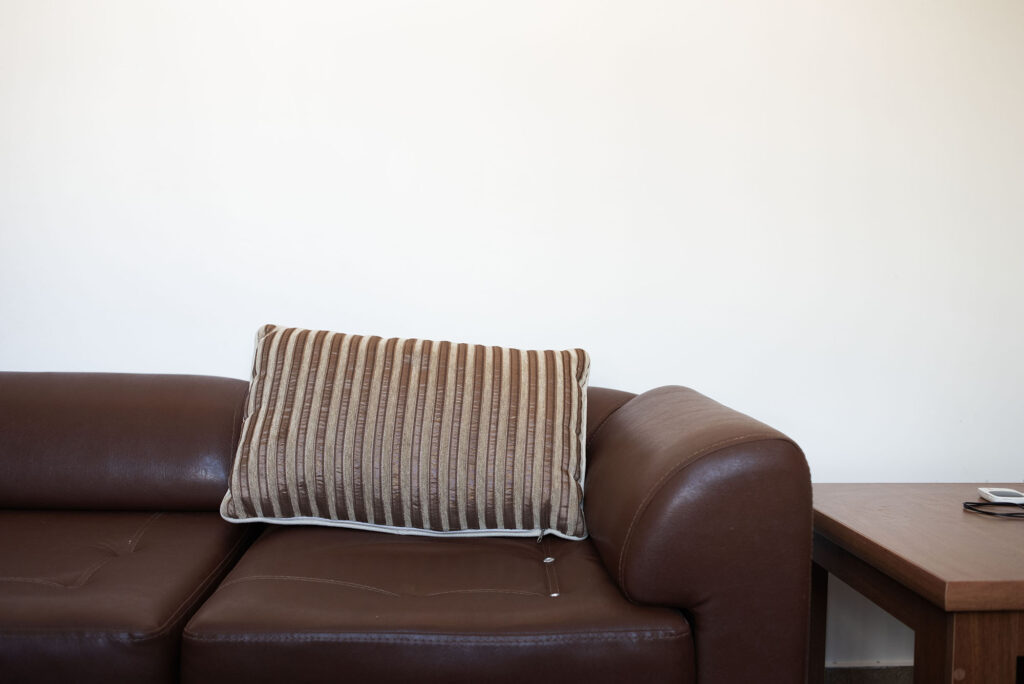
The Face of Grief is not simply about my father’s death. It is about how grief inhabits flesh, how memory attaches to objects, how hope and denial coexist, and how love persists beyond breath. These photographs are not documents of loss alone; they are fragments of presence. They ask what remains when someone leaves, and how the body carries what the heart cannot release.